In the cost structure of an electric two-wheeler, the battery is a major item — and in the risk structure, it is a key variable. The Battery Management System (BMS) establishes a continuously running layer of protection and decision logic between the cells and the vehicle, safeguarding safety limits while extending usable life as far as possible.
What the BMS does
1. Real-time monitoring and protection
The BMS continuously monitors voltage, current and temperature of every cell string, intervening with a graded strategy on overcharge, over-discharge, over-current, over-temperature or short-circuit risk — preventing a single-point anomaly from becoming a pack-level failure.
2. Balancing
Cells inevitably differ due to manufacturing and usage. Balancing, active or passive, narrows voltage spread so usable capacity is not limited early by the weakest string.
3. State estimation
State of Charge (SOC) tells operators how far the vehicle can still go; State of Health (SOH) answers how much value the battery retains. Estimation accuracy directly determines the credibility of dispatch decisions and battery asset handling.

From protection to prediction
Traditional BMS positioning is about preventing incidents. A new generation is moving toward knowing about them in advance. Long-term charge-discharge curves and temperature-rise signatures make it possible to identify cells drifting from the norm and raise maintenance prompts before capacity drops sharply or a safety event occurs.
For fleet operators this means two things:
- Maintenance shifts from reactive to planned: abnormal batteries can be replaced on schedule rather than dealt with as roadside emergencies
- Battery assets become more transparent: whether a pack can continue in service or suits second-life use now has an evidence base
Design approach to safety
- Layered protection: hardware protection and software policy cross-check each other, avoiding single points of failure
- Thermal co-design: BMS works with pack structure and heat dissipation design to control risk under high-temperature conditions
- Traceable data: key events and parameter changes are recorded for later analysis and accountability
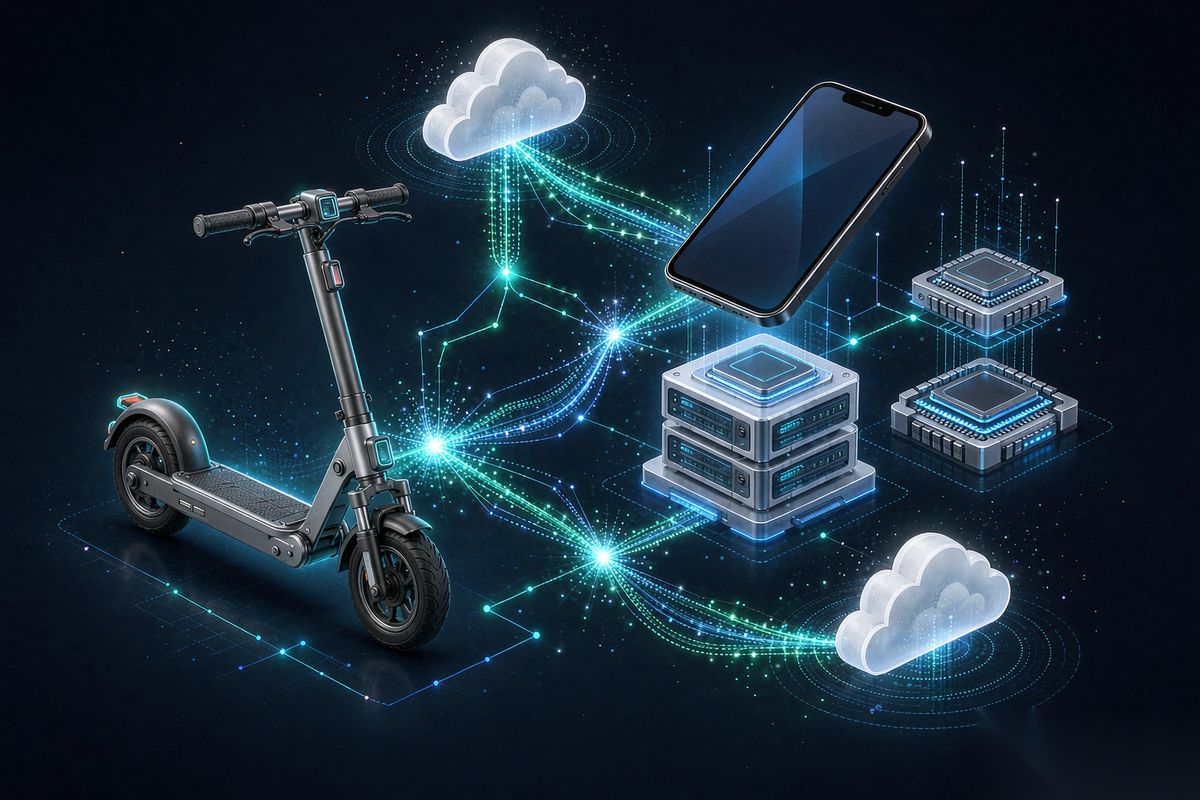
- Platform integration: abnormal states are reported through the AIoT platform, closing the loop from vehicle to operations
Conclusion
Battery safety and longevity ultimately depend on the combination of cell quality, structural design and management strategy. fasfab EV continues to invest in core powertrain components, using co-design across BMS, vehicle and platform to help operators reduce battery-related operational risk and total cost of ownership.