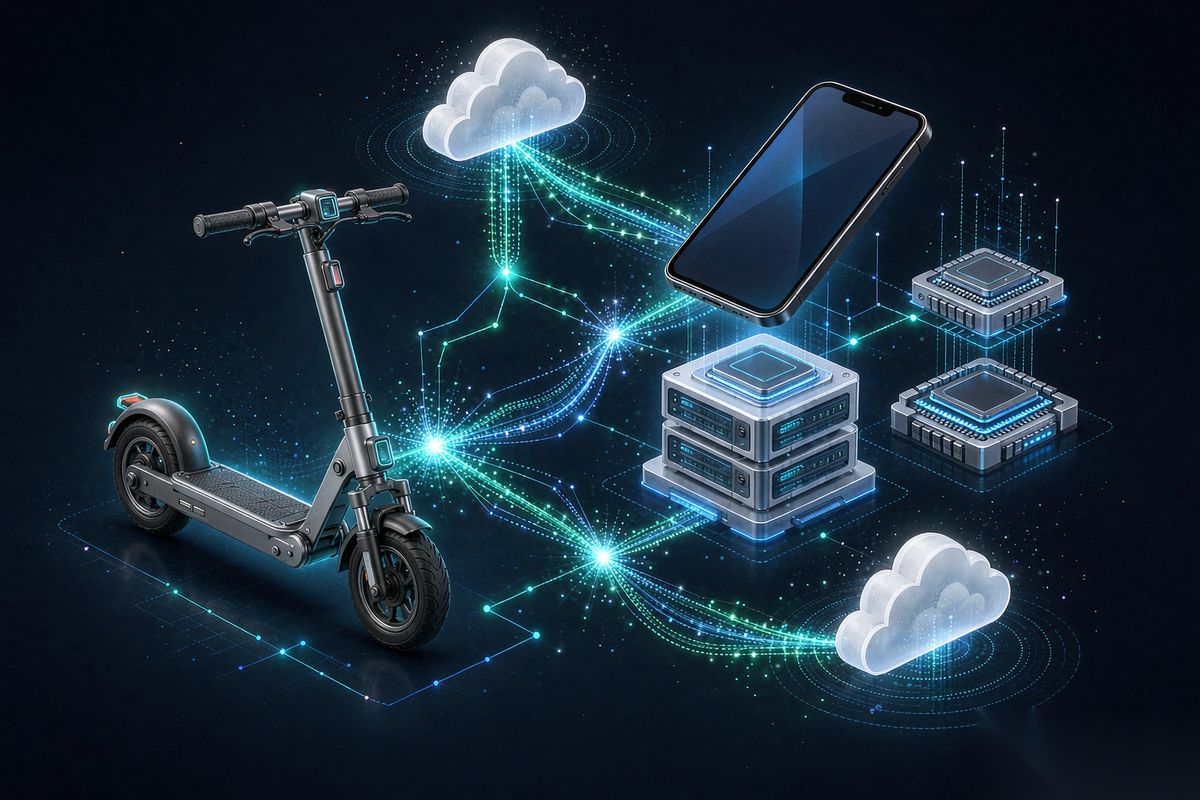
Electric two-wheelers (E2W) are moving from an early-adopter experiment in a handful of markets to essential infrastructure for urban mobility and short-haul logistics across many regions. Entering 2026, the defining question is no longer whether electrification works, but how operational efficiency continues to improve after electrification. For OEMs, component suppliers and fleet operators, four directions deserve attention this year.
Trend 1: Battery swapping moves from product feature to public infrastructure
Early swapping schemes were largely brand-specific add-ons. They are now evolving into shared networks that span brands and use cases. Standardized battery packs and swap-cabinet networks compress replenishment from hours to minutes, which fundamentally changes how fleets think about range. Operators care less about the capacity of a single battery and more about the density and turnover efficiency of the replenishment network in a given area.
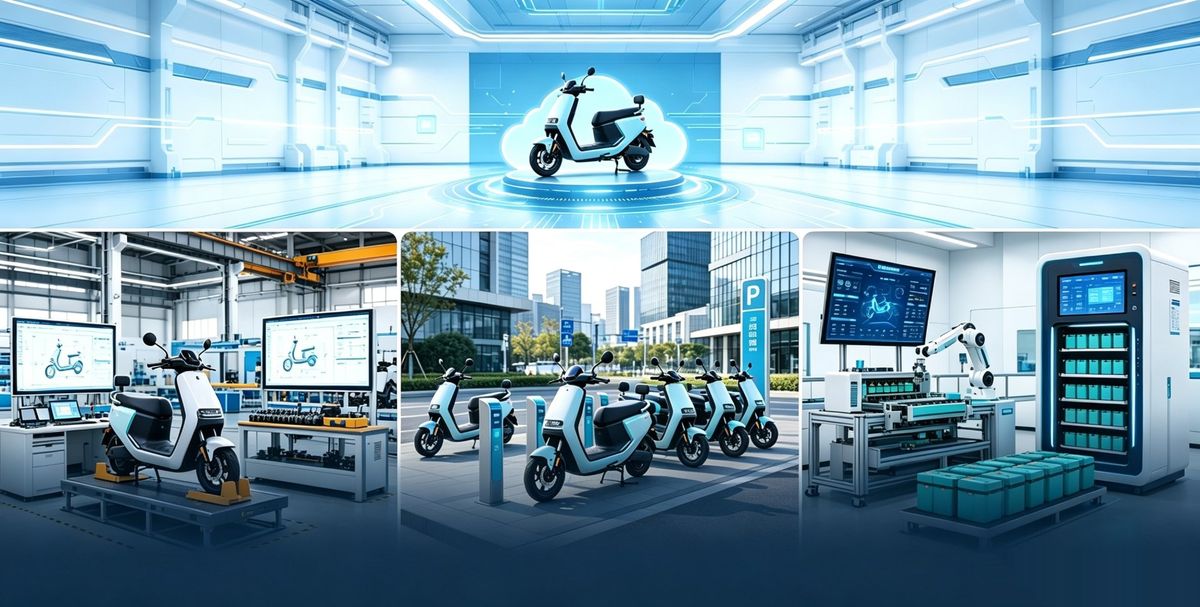
- For operators: lease-instead-of-buy lowers upfront investment, and battery assets can be managed separately from vehicle assets
- For OEMs: battery standardization means one vehicle platform can be reused across markets, shortening delivery cycles
- For supply chains: the bar for co-designing swap cabinets, battery packs and BMS rises significantly
Trend 2: AI-powered fleet management becomes a baseline requirement
When a fleet grows from dozens to thousands of vehicles, manual dispatch and rule-of-thumb decisions quickly hit their ceiling. Fleet management built on an AIoT platform connects vehicle status, battery health, ride data and dispatch policy, letting operators decide with data rather than intuition: which vehicles should enter a maintenance window, where capacity needs to be added, and whether battery degradation is tracking expectations.
The value of such systems is not that they make things visible, but that they make things predictable — predictive maintenance, dynamic dispatch and energy optimization all act directly on operating cost.
Trend 3: From selling vehicles to mobility-as-a-service
A growing number of operators no longer simply purchase vehicles. They look for integrated delivery covering vehicles, platform, operations and financing. That shift demands suppliers who can provide reliable vehicles and powertrain components as well as the software and service systems that keep operations running.
Trend 4: Regionalized supply chains and localized service capability
Road conditions, climate, payload requirements and regulatory environments differ sharply between markets, and a one-size-fits-all product strategy works less and less. Suppliers with flexible manufacturing and localized service networks gain an edge in delivery speed and after-sales response.
What it means for B2B partners
Competition in 2026 is fundamentally competition in combined capability: vehicle plus powertrain plus platform plus service. fasfab EV supports global B2B customers with integrated delivery spanning R&D and design, core components and volume vehicle production, while continuing to invest in its AIoT platform and battery management systems — helping partners turn electrification into durable operational efficiency.